




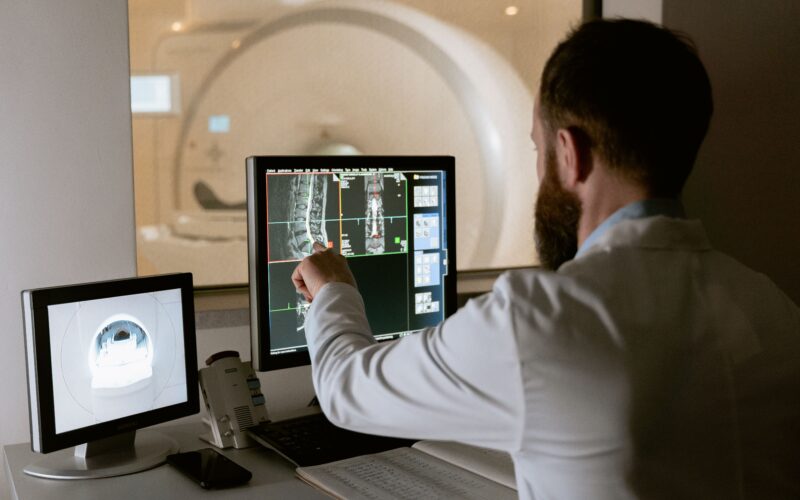
Artificial intelligence may be poised to transform one of the most important tools in cancer care. New research suggests that AI can spot signs of breast cancer in mammograms years before a clinical diagnosis would normally occur.
What the study found
The research came out of Sweden and looked back at existing mammograms. The results were striking.
A retrospective Swedish study suggests that AI-assisted mammograms could detect breast cancer years before clinical diagnosis. By analyzing scans that had been read as normal at the time, the AI identified subtle patterns that preceded later diagnoses. Universe Today
The implication is significant. Catching cancer earlier generally means more treatment options and better outcomes, making early detection one of the most powerful tools in fighting the disease.
Why this matters for screening
Mammograms are already a cornerstone of breast cancer screening. AI could make them substantially more effective.
If AI can flag concerning patterns that human readers miss, or catch them earlier, it could help identify high-risk patients sooner and tailor screening schedules to individual needs. This kind of AI assistance is one of the most promising applications of the technology in medicine, supporting rather than replacing radiologists.
As with any retrospective study, the findings need confirmation in real-world, forward-looking trials before they change clinical practice. But the direction is encouraging.
A wave of medical advances
The mammogram study was one of several notable findings. Diabetes and weight-loss treatment saw progress too.
A new GLP-1 medication in oral pill form, elecoglipron, could significantly reduce blood sugar levels and body weight in people with type 2 diabetes. An effective pill version would be a meaningful advance, since most current GLP-1 drugs require injection. Universe Today
Aging research delivered an intriguing result. Researchers discovered that declining levels of a nutrient called phosphatidylcholine may be a major cause of age-related mitochondrial dysfunction, and boosting it restored more youthful mitochondrial performance in experiments. Space.com
A cautionary note on misinformation
Not all health news this week was positive. One finding highlighted the dangers of medical misinformation.
There was a 38.7% increase in vitamin A overdoses between January and March 2025, likely due to misinformation about using it to treat measles. The episode is a reminder that vitamins and supplements can cause harm when misused, and that medical decisions should be guided by qualified professionals rather than viral claims.
The bottom line
For breast cancer screening, the AI findings point toward a future where mammograms become even more powerful tools for early detection. Earlier detection saves lives.
For now, the standard advice still applies: follow recommended screening schedules and discuss your personal risk factors with your doctor. As AI tools mature and prove themselves in clinical trials, they may add a valuable new layer to that proven approach.
This article summarizes published research for general information and is not medical advice. Consult a healthcare professional about screening and any health decisions.