




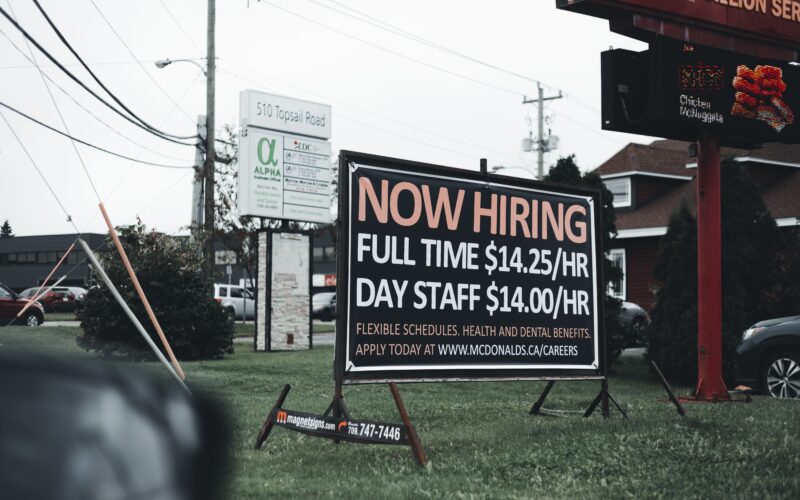
Consumer confidence is slipping, and the reason should concern anyone watching the economy. A closely followed survey shows Americans are growing increasingly worried about the job market. The data lands just days before a crucial jobs report. Here is what it means for your finances.
Why Consumer Confidence Is Falling
The latest reading revealed rising anxiety among Americans. The concern centers on jobs. The Conference Board’s survey found that Americans are worried about the job market.
This matters because consumer confidence is a key economic signal. When people feel secure about their jobs and income, they spend more freely. When they grow worried, they tend to pull back. That caution can ripple through the whole economy, since consumer spending drives a large share of economic activity.
The Job Market Connection
Worries about employment are especially significant right now. The timing is notable. A major jobs report is due Thursday, moved up from its usual Friday slot because markets close for the Fourth of July holiday.
The June jobs report is seen as crucial to the Federal Reserve’s policy thinking. If Americans are right to worry and hiring is slowing, that would be an important signal. A weakening job market could eventually push the Fed toward cutting interest rates, even amid stubborn inflation.
The Broader Economic Picture
Consumer confidence does not exist in a vacuum. Several pressures weigh on household sentiment. Inflation has remained elevated, driven largely by energy costs tied to the recent Iran conflict. High prices strain budgets and make people cautious.
At the same time, borrowing costs stay high. Mortgages, credit cards, and loans remain expensive as the Fed holds rates steady. This combination of high prices and high borrowing costs helps explain why confidence is fragile, even as the broader economy has proven resilient.
What It Means for You
Falling consumer confidence carries practical lessons for your own finances. A few points stand out. First, if job security feels uncertain, prioritize building an emergency fund to cushion against surprises.
Second, keep high-interest debt under control, since those costs remain painful in the current rate environment. Third, take advantage of still-high savings rates by keeping cash in a competitive high-yield account. Fourth, watch Thursday’s jobs report, since it could shape the Fed’s next move and the broader economic outlook.
The Bottom Line
Consumer confidence is a barometer of how Americans feel about their financial future. Right now, that barometer is pointing toward caution, driven by job-market worries. While one survey does not predict the future, the data is a useful reminder to shore up your own finances. In an uncertain economy, a strong emergency fund, controlled debt, and smart saving remain your best defenses regardless of which way confidence turns next.
This article is for informational purposes only and does not constitute financial advice.
You may be interested in this article: PCE inflation hits 3 Year high, but consumers keep spending: what it means for you.