

A drone collision at JFK has put a spotlight on one of aviation’s growing safety concerns. A JetBlue pilot confirmed that an aircraft struck a drone at one of America’s busiest airports. The incident adds to mounting worries about the risks drones pose to commercial flights. Here is what happened and why it matters.
What We Know About the Drone Collision at JFK
The confirmation came directly from the flight crew. It involved a major US airline at a major hub. A JetBlue pilot confirmed a collision with a drone at JFK Airport, according to reporting from travel news outlets on June 29.
JFK, or John F. Kennedy International Airport in New York, is one of the busiest airports in the United States. A collision between an aircraft and a drone there is exactly the kind of event aviation authorities have been warning about for years.
Why Drones Are a Growing Threat
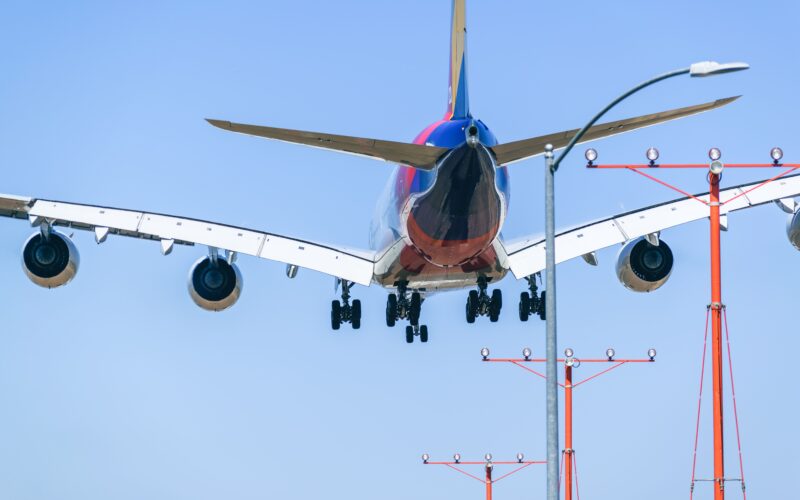
Drones have exploded in popularity, and that creates real risks near airports. The danger is straightforward. A drone striking an aircraft, especially during takeoff or landing, could cause serious damage.
The most vulnerable areas are engines and windshields. A drone sucked into an engine or striking a cockpit window at high speed could have severe consequences. This is why flying drones near airports is heavily restricted almost everywhere. Despite these rules, incidents continue to occur, whether through ignorance, carelessness, or deliberate misuse.
Part of a Bigger Airspace Debate
This incident fits into a wider conversation about controlling drone activity. Airspace security has become a global concern. Around the world, authorities are grappling with how to manage the growing number of drones while keeping skies safe.
The challenge is balancing innovation with safety. Drones offer enormous benefits, from delivery services to photography to emergency response. But integrating them safely into airspace shared with passenger jets is a serious challenge. Incidents like the one at JFK add urgency to efforts to track, regulate, and control drone flights near airports.
What It Means for Travelers
For air travelers, a drone collision is understandably alarming. A few points offer perspective. First, commercial aircraft are robustly built, and pilots and crews are highly trained to handle unexpected events. Second, aviation authorities take these incidents seriously and investigate them thoroughly.
Third, the incident underscores why drone rules near airports exist and must be respected. For most travelers, the practical takeaway is reassurance that the system caught and reported this event, combined with awareness that airspace safety is an evolving challenge.
The Path Forward
The drone collision at JFK is likely to intensify calls for better drone management. Several developments may follow. Authorities will investigate this specific incident to understand exactly what happened. Regulators may push for stronger drone detection and enforcement near airports.
Technology to track and, if necessary, disable rogue drones continues to advance. As drones become ever more common, keeping them away from passenger aircraft will remain a critical safety priority. For now, the incident is a reminder that the skies are getting more crowded, and that managing that complexity is one of aviation’s defining challenges.
You may be interested in this article: Flight Delays Today: Your Rights and What to Do When Your Flight is Disrupted.