




Sudden adult death syndrome, or SADS, has claimed the life of Alex Hughes, the 38-year-old son of former Manchester United and Wales footballer Mark Hughes. Specifically, an inquest confirmed today, August 6, that Alex died from SADS on June 19 after collapsing at his home in Macclesfield, Cheshire. Furthermore, his two young sons found him that morning and attempted CPR before paramedics arrived. Here is everything you need to know about this condition and what it means for you and your family.
What Sudden Adult Death Syndrome SADS Is
The condition strikes without warning and often without any prior signs of illness. Specifically, it affects the heart’s electrical system. The British Heart Foundation explains that sudden adult death syndrome is when someone dies suddenly and unexpectedly from a cardiac arrest, but there is no clear cause found even after a thorough post-mortem examination.
Furthermore, the mechanism involves a fatal disruption to the heart’s rhythm. Specifically, the heart’s electrical system sends abnormal signals that cause it to stop pumping blood effectively. As a result, the brain is deprived of oxygen within minutes, and without immediate intervention, death follows rapidly.
The Alex Hughes Case: What the Inquest Found
The inquest delivered a confirmed verdict today. Specifically, it ruled out any structural abnormality in the heart. According to NewsNation, Area Coroner Victoria Davies ruled that Alex Hughes, who was Grimsby Town’s player recruitment lead, died from sudden adult death syndrome, with his death resulting from natural causes.
Furthermore, the tragedy unfolded suddenly on an ordinary morning. Specifically, Alex’s eldest son performed CPR after finding him collapsed in his bedroom at around 7am. Despite his efforts and those of the paramedics who followed, he could not be saved. As a result, a fit, healthy-seeming 38-year-old man died with no warning at all.
Why SADS Is So Difficult to Predict
The hardest aspect of sudden adult death syndrome is that it frequently gives no warning. Specifically, most people who die from SADS had no prior symptoms. According to research published in the American Heart Association journal, almost 90% of SADS cases had no prior reports of fainting or family history of sudden death that would have identified them as being at risk.
Furthermore, the condition is often inherited. Specifically, the underlying electrical abnormalities that cause SADS are frequently genetic, meaning family members of someone who dies from SADS may carry the same risk. Consequently, an inquest verdict of SADS should prompt surviving relatives to seek cardiac screening.
Who Is Most at Risk
Several underlying conditions can lead to a SADS verdict. Specifically, the most common involve inherited faults in how the heart conducts electrical signals. According to Cleveland Clinic, the major types include Long QT syndrome, which may affect around one in 7,000 people, and Brugada syndrome, which affects approximately 5 in 10,000.
Furthermore, SADS is not exclusively a condition of the very young. Specifically, while it has a higher profile in teenagers and young adults, the Alex Hughes case confirms it can strike in middle age. According to the SADS Foundation, approximately 4,000 children and young adults die from SADS conditions in the US each year.
Warning Signs and What to Do
Some people with underlying SADS-related conditions do experience warning signs. Specifically, a few symptoms should prompt urgent investigation. The SADS Foundation identifies family history of unexpected death under age 40, fainting or seizure during exercise or excitement, and unusual chest pain or shortness of breath during exercise as key warning signs.
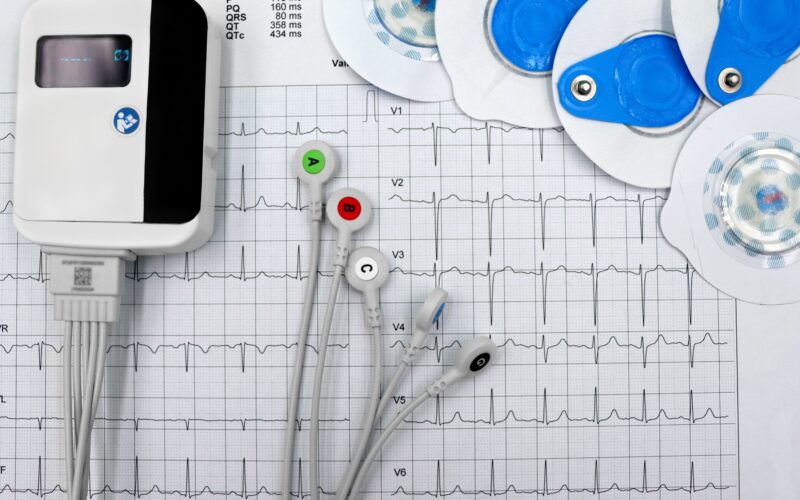
If you or a family member have experienced any of these, see a cardiologist. Specifically, an electrocardiogram, or ECG, can detect some but not all of the electrical abnormalities associated with SADS conditions. Furthermore, genetic testing may be appropriate if a family member has died unexpectedly. Most SADS conditions, if detected before a cardiac arrest, can be managed with medication or a small implantable defibrillator device. The death of Alex Hughes is a devastating reminder that sudden adult death syndrome can take anyone, at any age, without warning. For Mark Hughes and his family, the grief is unimaginable. For the rest of us, his son’s story is a reason to know the warning signs and get checked if they apply.
This article is for general information and is not medical advice. Consult a healthcare professional or cardiologist about any cardiac concerns. If someone collapses and is unresponsive, call emergency services immediately and begin CPR.
You may be interested in this article: Sauna Immune System Boost: 30 Minutes of Heat and a Cold Shower Activates White Blood Cells