




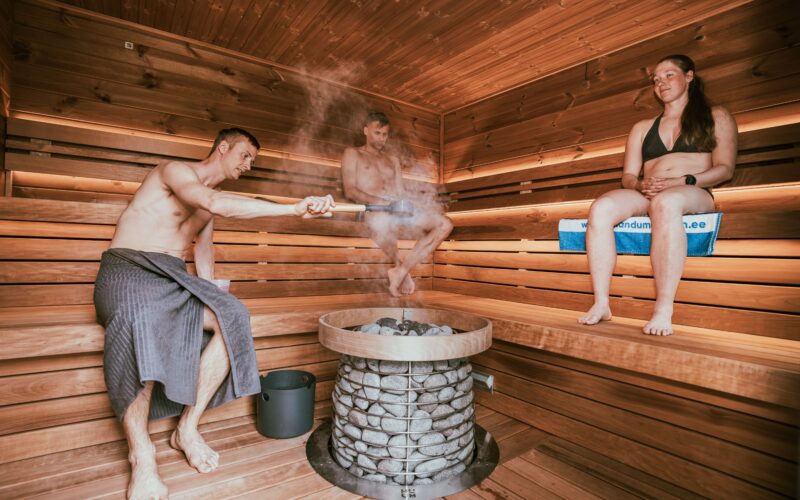
The sauna immune system boost is now backed by fresh science, and the results are more striking than many expected. A new Finnish study found that a single 30-minute sauna session, followed by a brief cold shower, activated every type of white blood cell in the bloodstream. Furthermore, the effect happened after just one session, not weeks of consistent practice. Here is what the research found and what it means for your health.
The Sauna Immune System Boost: What the Study Found
Finnish researchers have been investigating saunas’ health effects for decades. Their latest finding targets the immune system directly. According to ScienceDaily, a single 30-minute sauna session may briefly put the immune system on higher alert, with Finnish researchers finding that sauna heat paired with a short cold shower increased every type of white blood cell circulating in the bloodstream — including key infection fighters such as neutrophils.
Furthermore, the activation was broad rather than selective. Specifically, the immune response included multiple types of white blood cells simultaneously. As a result, the study adds meaningful evidence that traditional sauna practices may have a real, measurable biological effect on immune function.
Why the Cold Shower Combination Matters
The study specifically paired the sauna with a cold shower, not sauna alone. Specifically, the contrast between extreme heat and cold appears to drive the immune response. Furthermore, this combination is deeply embedded in Finnish sauna culture, which has included cold water immersion for centuries.
The physiological mechanism is consistent with what researchers know about thermal stress. Specifically, rapid temperature changes prompt the body to redirect blood flow and activate stress-response systems that also mobilize immune cells. Consequently, the cold shower may amplify the immune effect that heat alone would produce.
What “Brief” Really Means
One important caveat is the word “briefly” in the study’s findings. Specifically, the immune activation is temporary rather than a permanent enhancement of immune function. Furthermore, researchers have not yet established how long the elevated white blood cell counts persist or how frequently sessions must be repeated to produce sustained benefits.
Therefore, the finding should be understood as evidence of an acute immune response, not a permanent upgrade to the immune system. Additional research will be needed to understand the long-term implications of regular sauna and cold shower practice on immune health.
Other Notable Health Findings This Week
The sauna study arrived alongside other practical health findings. Specifically, diet timing research delivered a useful insight. According to ScienceDaily, eating within a shorter daily window may help protect certain thinking skills as people age, adding to the growing body of evidence supporting time-restricted eating.
Additionally, a study published this week brought good news for sparkling water lovers. Specifically, unsweetened sparkling water may offer a tooth-friendlier alternative to sugary soda, with soda causing the strongest and longest drop in salivary pH while sparkling water’s effect was more modest.
What It Means for You
The sauna immune system boost finding is encouraging for people who already enjoy saunas or cold showers. A few practical points stand out. First, the study used a 30-minute sauna session at temperatures typical of Finnish saunas, around 80 to 100 degrees Celsius. Second, the cold shower followed immediately after the heat session.
Third, the effect was observed after a single session, suggesting you do not need to be a long-term sauna user to see some immune response. As always, people with heart conditions, high blood pressure, or other health concerns should consult a doctor before beginning any sauna practice. For healthy adults, the evidence continues to build that heat and cold contrast therapy does something real to the body.
This article summarizes published research for general information and is not medical advice. Consult a healthcare professional about any health concerns.
You may be interested in this article: Exercise and Protein for Aging: Why Doing More Than the Minimum Pays Off.