



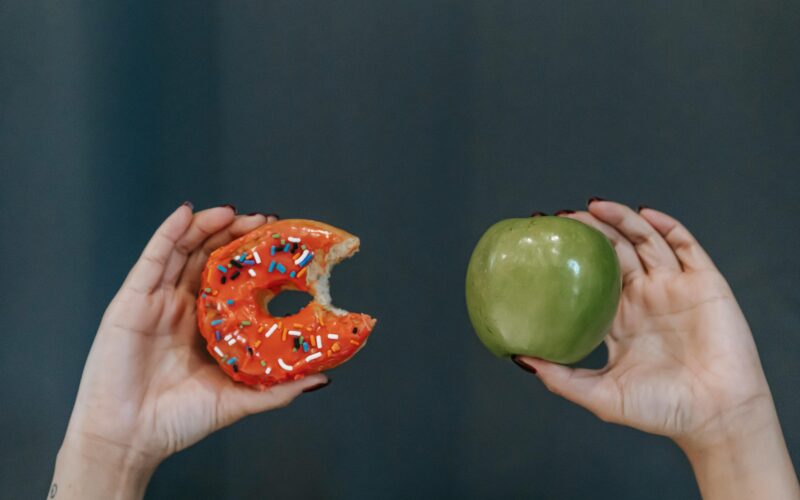
The food on your plate may affect more than your waistline. A new study suggests that ultra-processed foods could dull your thinking, and the effect showed up even in people who otherwise eat well.
What the study found
The research looked at a large group of adults and their eating habits. A study of more than 2,100 adults found that eating more ultra-processed foods was linked to poorer attention and slower mental processing, even among people with otherwise healthy diets.
That last detail is important. The link held up even for people whose overall diets were reasonably healthy. It suggests ultra-processed foods may carry a cognitive cost independent of the rest of what you eat.
As with most nutrition studies, this shows an association rather than proof of cause and effect. But the size of the study and the consistency of the pattern make it noteworthy.
What counts as ultra-processed
Ultra-processed foods are products that go through extensive industrial processing and often contain additives, preservatives, and ingredients you would not find in a home kitchen. Think packaged snacks, sugary drinks, instant meals, and many fast foods.
These foods are convenient and cheap, which is part of why they make up such a large share of modern diets. The growing body of research linking them to health problems is one reason nutrition experts increasingly emphasize whole, minimally processed foods.
A broader week of nutrition research
The brain study was one of several diet-related findings making headlines. Beverages got attention too.
A major review found that tea may help protect against heart disease, diabetes, cancer, cognitive decline, and age-related muscle loss, but the way you drink it matters, since bottled and bubble teas often contain ingredients that diminish the benefits. The lesson is that brewed tea and sugary tea drinks are not the same thing. ScienceDaily
Researchers also explored surprising connections between different body systems. A study found a gut-heart connection that may explain why sleep apnea increases cardiovascular disease risk, with experiments in mice pointing to a bile acid receptor as a potential target for new treatments. ScienceDaily
What you can do
You do not need to overhaul your diet overnight. Small, sustainable shifts tend to work better than drastic changes.
Try replacing some ultra-processed items with whole foods where you can, such as swapping packaged snacks for fruit or nuts. Brewing your own tea instead of buying sweetened versions is another easy win. The emerging research suggests these choices may benefit not just your body but your mind as well.
This article summarizes published research for general information and is not medical advice. Consult a healthcare professional before making significant changes to your diet.