




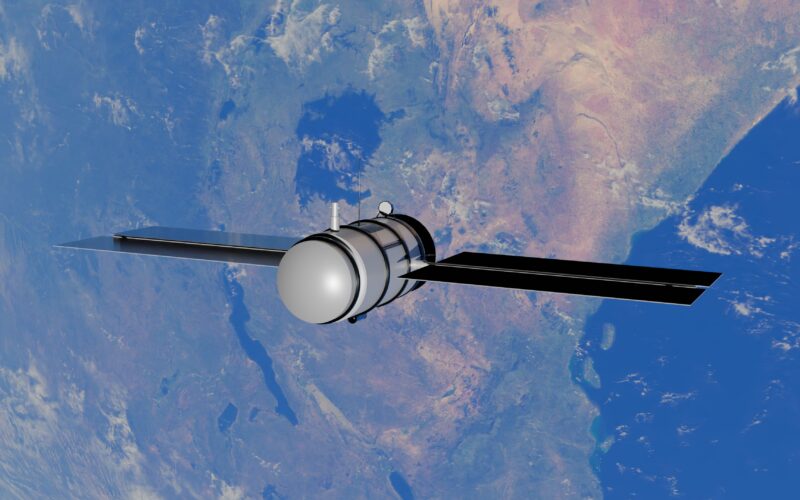
AI data centers in space sound like science fiction, but they are quickly becoming a serious engineering goal. As artificial intelligence devours computing power, companies are looking beyond Earth for a solution. SpaceX is leading the charge, and the idea raises fascinating questions about both possibility and security.
Why AI Data Centers in Space Are Being Considered
The driving force is simple: AI needs enormous amounts of power. The race to build data centers in space is gaining momentum as AI drives unprecedented demand for computing power. TheStreet
Space offers some genuine advantages. Orbital facilities could tap into abundant solar energy and avoid many of the environmental challenges faced on Earth. In space, the sun shines almost constantly, which means a near-limitless supply of clean energy. Furthermore, orbital data centers would not compete for land, water, or power grids already under strain.
The SpaceX Connection
SpaceX is well positioned to pursue this vision. After all, the company already dominates rocket launches and recently went public in a historic IPO. Its acquisition of an AI company gave it both the models and the motivation to chase space-based computing.
The logic fits together neatly. SpaceX can launch hardware cheaply, generate solar power in orbit, and run AI workloads far from Earth’s constraints. Therefore, the company sees space not just as a destination, but as the next frontier for computing infrastructure.
The Hard Challenges
Despite the promise, major obstacles remain. Space presents significant challenges for building and operating data centers. Heat is a particular problem, since cooling equipment in the vacuum of space is difficult. Repairs are another, because fixing hardware in orbit is far harder than sending a technician to a building on Earth.
There is also the question of data security. Sending sensitive workloads to orbit raises new risks around protecting that data in transit and at rest. This is where principles like confidential computing become crucial. Keeping data encrypted even while it is processed would help ensure that information stays protected, whether it sits in a server farm on Earth or a satellite overhead.
What It Means for the Future
For now, AI data centers in space remain an ambitious goal rather than a reality. The engineering, cost, and security hurdles are substantial. However, the underlying problem is real and urgent, since AI’s hunger for computing power shows no sign of slowing.
A few takeaways stand out. First, the demand driving this idea is genuine, not hype. Second, the technical challenges are serious and will take years to solve. Third, security must be built in from the start, not bolted on later. Whether or not computing truly moves off the planet, the push reflects just how transformative and demanding AI has become.
This article covers emerging technology. Details of space-based computing projects may change as the technology develops.
You may be interested in this article – SpaceX makes IPO history in the largest market debut ever