




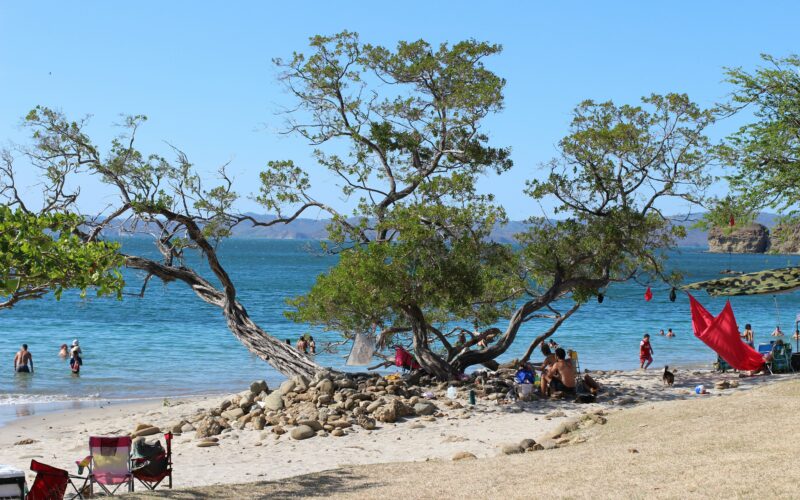
A chikungunya Costa Rica outbreak is putting summer travelers on alert just as the peak holiday season hits. The CDC issued a formal travel alert after a cluster of cases emerged along the Guanacaste coast, one of the country’s most popular tourist destinations. Furthermore, the outbreak is growing, with dozens of confirmed and probable cases already recorded. Here is what you need to know before you travel.
The Chikungunya Costa Rica Outbreak Explained
The warning came from official US government sources. Specifically, the alert targets one of Costa Rica’s busiest tourist regions. According to the CDC Travel Health Notices, on July 16, 2026, the US Embassy in Costa Rica reported an outbreak of chikungunya in Playa Langosta and the surrounding Guanacaste coast, including the Santa Cruz area, with 45 suspected cases, four confirmed and 17 probable.
Furthermore, the NaTHNaC travel health authority confirmed the alert, noting that chikungunya cases have been documented in the tourist-heavy coastal zone. As a result, both leisure and business travelers visiting the region face elevated risk.
What Chikungunya Does to Your Body
Chikungunya is a mosquito-borne virus. Specifically, it is transmitted primarily by Aedes aegypti and Aedes albopictus mosquitoes, the same species that spread dengue and Zika. Furthermore, these mosquitoes bite during the day, not just at dusk.
The disease causes severe joint pain, fever, headache, muscle pain, and rash. Specifically, the joint pain can be debilitating and may last for weeks or even months after the initial infection. Additionally, there is no specific treatment for chikungunya, which makes prevention the only real defense.
Who Is Most at Risk in the Tourist Zone
Guanacaste is one of Costa Rica’s driest provinces and a hotspot for beach tourism. Specifically, Playa Langosta, Tamarindo, and the Santa Cruz area draw large numbers of international visitors each summer. Furthermore, outdoor activities like surfing, zip-lining, and hiking increase mosquito exposure.
Travelers who are staying in areas with inadequate air conditioning or window screens face higher risk. Additionally, older adults and those with underlying health conditions may experience more severe symptoms if infected.
How to Protect Yourself
The good news is that simple, proven precautions reduce your risk significantly. First, use EPA-registered insect repellents containing DEET, picaridin, or IR3535, and reapply every few hours.
Second, wear long sleeves and long trousers, especially during peak mosquito activity in the early morning and late afternoon. Third, stay in accommodations with air conditioning and intact window screens where possible. Fourth, remove standing water from around your accommodation, since it serves as a breeding ground.
What to Do If You Feel Ill
If you develop fever, joint pain, or rash during or after visiting Costa Rica, seek medical care promptly. Specifically, mention your travel history so your doctor can consider chikungunya alongside other diagnoses.
Furthermore, avoid further mosquito bites if you are ill, since an infected person can serve as a source for other mosquitoes. Additionally, check the CDC travel notices page for updates before your trip, since outbreak boundaries can shift quickly during summer months. The chikungunya Costa Rica alert is a reminder that travel health preparation matters as much as packing your sunscreen.
This article is for general information and is not medical advice. Consult a travel medicine specialist or your doctor before international travel.
You may be interested in this article: Hantavirus Warning: Why Health Officials Are Watching Two Dangerous Viruses