




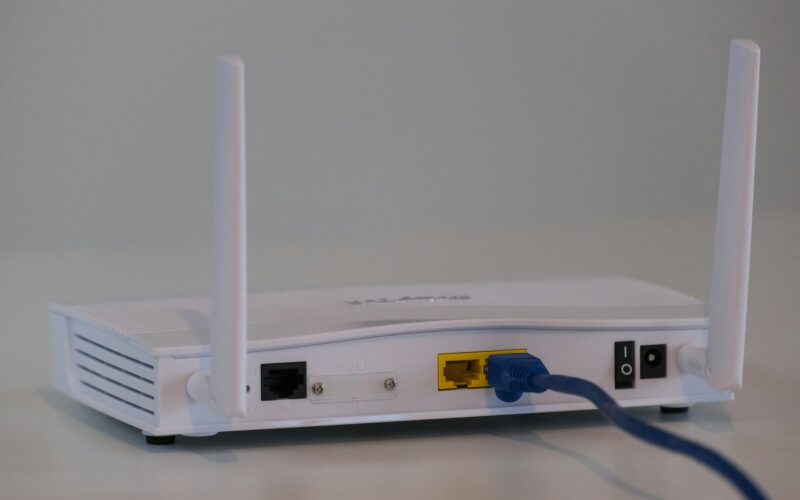
A Tenda router backdoor has put millions of home and office networks at risk, and the flaw is serious. The Hacker News reported that multiple Tenda router models contain a hidden authentication bypass. As a result, an attacker can gain full administrative control over an affected device without entering a valid password. Here is what you need to know and how to protect yourself.
The Tenda Router Backdoor Explained
The vulnerability is tracked as CVE-2026-11405. Specifically, it is an undocumented authentication backdoor embedded in multiple versions of Tenda’s firmware. The CERT Coordination Center (CERT/CC) confirmed the flaw and issued a public alert on Monday, July 7, 2026.
Furthermore, the backdoor sits inside the “login()” function of the web server binary. An attacker who can reach the router’s web management interface can exploit this function to bypass all password checks. Consequently, they gain full administrative access to the device.
Which Routers Are Affected
The vulnerability affects multiple specific Tenda firmware versions. However, affected models include commonly used home Wi-Fi routers and access points. Tenda devices are among the most widely deployed budget routers globally.
Additionally, the CERT/CC noted that Tenda has not yet released official patches for all affected firmware versions. Therefore, many users currently have no vendor-supplied fix available.
Why This Is Especially Dangerous
A router backdoor at this level creates severe risk. Specifically, an attacker who controls your router controls your entire network. They can intercept traffic, redirect DNS lookups to malicious sites, install persistent malware on connected devices, and monitor everything that crosses the connection.
Furthermore, routers are often overlooked in security routines. Many users never update router firmware. As a result, even a vulnerability that eventually receives a patch may persist on millions of devices for months or years.
What You Should Do Right Now
The steps to protect yourself are clear and urgent. First, check whether your router is a Tenda model. If so, visit Tenda’s official website at tendacn.com and check for any firmware updates for your specific model.
Second, disable remote management if it’s enabled, as it limits access to the router’s interface from the internet. Third, if no patch is available, consider placing the router behind an additional firewall or switching to a patched device. Fourth, change your router’s admin password from the default, even though this specific flaw bypasses password checks, since it reduces other risk vectors.
The Broader Router Security Problem
The Tenda backdoor is part of a wider and troubling pattern. Router security has been chronically underfunded and underprioritised. Earlier this year, the FortiBleed campaign compromised over 86,000 Fortinet firewalls largely because organizations never changed default credentials.
Consequently, network devices have become one of attackers’ favourite entry points. They sit at the boundary of the network, often run unpatched for years, and give attackers a powerful position if compromised. For home users and businesses alike, treating router security with the same urgency as endpoint security is no longer optional.
This article covers ongoing security threats. Consult your device manufacturer and official advisories before making changes to network equipment.
You may be interested in this article: Fortibleed Firework Attack Hit 86,000 Devices; Why Default Passwords are the Real Threat