


The US-Iran ceasefire is facing its most serious test yet, raising fears that a fragile peace could collapse. Over the weekend, both sides traded strikes near the strategically vital Strait of Hormuz. As accusations flew, Iran threatened to halt negotiations entirely, while President Trump warned of renewed military action. Here is the latest on a situation that is changing by the hour.
Why the US-Iran Ceasefire Is Under Strain
The fragile agreement has been rocked by a fresh exchange of fire. The weekend saw tensions escalate sharply. This weekend’s exchange of fire is testing the fragile US-Iran agreement, with President Trump threatening more military action if Iranian strikes continue, while Iran warned ceasefire violations would “result in the complete halt of all diplomatic processes.”
The rhetoric grew especially heated. President Trump warned Iran “will no longer exist” if strikes continue, while Tehran has threatened to halt negotiations.
Despite the alarming language, there were signs both sides wanted to step back. The United States and Iran “will stand down for now” following an exchange of fire near the Strait of Hormuz, a Trump administration official said on Sunday, adding that technical talks with Iran remain “on track.” CNBC
The Strait of Hormuz at the Center
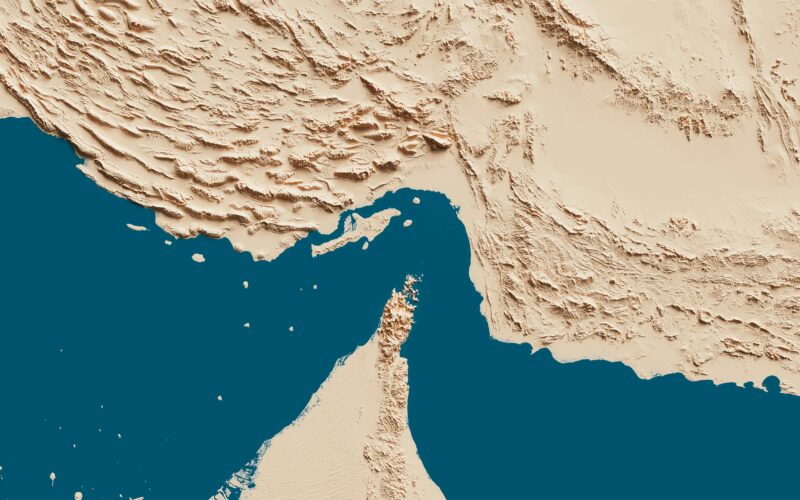
Much of the dispute revolves around a critical waterway. The Strait of Hormuz is one of the world’s most important oil routes. Iran’s Revolutionary Guards said they were taking measures to control traffic in the strait, through which in peacetime around a fifth of the world’s oil and liquefied natural gas exports travel, and that violating vessels would be dealt with more firmly than before. U.S. News & World Report
Iran’s top diplomat issued a pointed warning. Foreign Minister Abbas Araghchi said any attempt to bypass the agreed Strait of Hormuz routes would “increase tensions” and lead to “more complicated situations and delays in the reopening of the Strait of Hormuz.” He urged all parties to stick to the agreement and not let it “deviate from its course.” U.S. News & World Report
What the Original Deal Promised
To understand the stakes, it helps to know what the two sides agreed. The memorandum set out key terms and a deadline. The US-Iran memorandum, signed earlier this month, spells out provisions for reopening the Strait of Hormuz, easing certain financial restrictions on Iran, and sets out expectations for addressing Iran’s nuclear program during technical talks.
Crucially, it created a ticking clock. Its signing triggered a 60-day window to negotiate the final terms of a deal. That window is now under threat as both sides accuse each other of breaking the truce. CNBC
The Lebanon Complication
A separate but connected conflict is making peace harder. The fighting between Israel and Hezbollah continues to strain the deal. A trilateral agreement signed Friday contradicts the 14-point memorandum signed with Iran earlier this month, according to both Iran and Hezbollah, with the MOU stipulating the war will end “on all fronts, including in Lebanon.” U.S. News & World Report
Iran has tied the two issues together. Iran says a full withdrawal of Israeli forces from Lebanon must be part of a final deal with the US, as fighting with Hezbollah further strains peace efforts. Neither Israel nor Hezbollah signed the US-Iran memorandum, which complicates any path to lasting calm. CNBC
Why It Matters Beyond the Region
The conflict’s effects reach far beyond the Middle East. The biggest global impact is on energy prices. Because the Strait of Hormuz carries so much of the world’s oil, any disruption there pushes prices higher. Oil futures rose slightly Sunday as US-Iran hostilities continued for a fourth consecutive day, with Brent crude rising 0.9% to $72.20 a barrel.
Higher oil prices ripple through the global economy. They fuel inflation, raise costs for businesses and consumers, and influence decisions by central banks like the US Federal Reserve. Therefore, this distant conflict directly affects what people pay for gas, goods, and borrowing worldwide.
The economic strain is severe inside Iran too. Inflation in Iran rose sharply in June, driven by the Middle East war, reaching a peak of 88.6% year-on-year, according to official figures. U.S. News & World Report
What to Watch Next
This remains a developing story with several critical threads. First, watch whether the technical talks proceed as scheduled or collapse under the renewed tensions. Second, monitor the Strait of Hormuz, since any disruption there could send oil prices spiking again.
Third, the Israel-Hezbollah fighting in Lebanon remains a wildcard that could derail the broader deal. Fourth, watch for further statements from Washington and Tehran, as the rhetoric has shifted rapidly. The coming days will reveal whether the ceasefire holds or unravels. As with any fast-moving situation, details may change quickly, and we will update this report as events develop.
This is a developing story. Details are based on reporting from multiple international news outlets and may change as the situation evolves.