




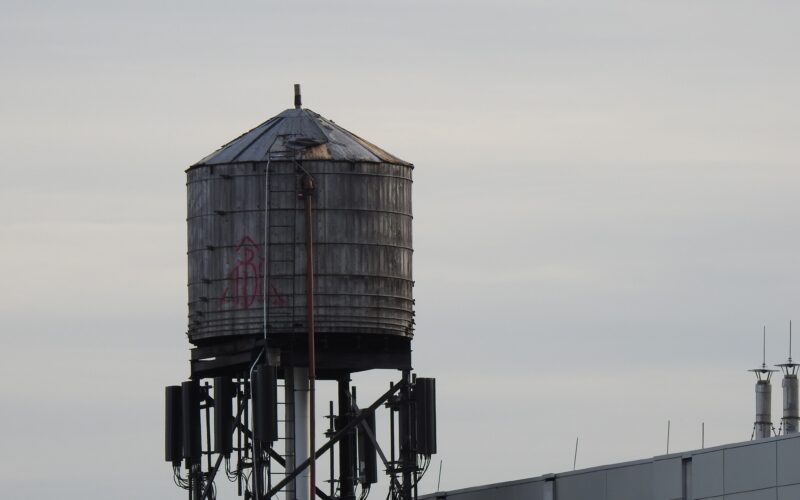
A coordinated water system cyberattack struck more than 30 Minnesota communities on the weekend of July 26 and 27, knocking out automated controls, disrupting communications, and taking at least one treatment plant completely offline. Furthermore, the attack triggered a statewide cybersecurity emergency response involving multiple agencies. Here is what happened and what it reveals about the vulnerability of critical infrastructure.
The Water System Cyberattack: What Happened
The attack was simultaneous and targeted. Specifically, it hit operational technology systems across multiple water utilities. According to The Hacker News, a coordinated cyberattack targeted operational technology at more than 30 Minnesota community water systems on July 26 and 27, triggering a statewide cybersecurity response.
Furthermore, the impact varied by community but was serious across the board. Specifically, Braham’s water plant went completely offline, prompting the city to ask residents to minimize water use until treatment resumed. Additionally, Plymouth reported cellular communications problems at two water towers and multiple wastewater lift stations, while South St. Paul and Maple Plain maintained services only by switching to manual operation after automated controls were affected. Furthermore, Maple Plain declared a local state of emergency.
Why Critical Infrastructure Attacks Are Escalating
The Minnesota water attack is not an isolated incident. Specifically, water and utility systems have become prime targets for nation-state actors and cybercriminals alike. Furthermore, operational technology systems in water utilities were often built decades ago without cybersecurity considerations.
This creates a dangerous gap. Specifically, many of these systems use legacy industrial control software that was never designed to be internet-connected but has been networked for remote monitoring. As a result, once attackers gain access, the potential to disrupt essential services is significant.
The Ruby on Rails Vulnerability Connection
A critical software vulnerability disclosed this week may be contributing to a broader wave of infrastructure attacks. Specifically, a newly patched flaw affects widely used web framework software. According to The Hacker News, Ruby on Rails released fixes for a critical Active Storage vulnerability that could let unauthenticated attackers read arbitrary files from application servers through crafted image uploads.
Furthermore, researchers warned the potential risk could rival the widespread ToolShell campaign of 2025. Specifically, many operational technology management interfaces run on web frameworks, making this vulnerability potentially relevant to infrastructure environments.
The Role of Protecting OT Systems
The attack illustrates why protecting operational technology requires a different approach from standard IT security. Specifically, OT systems control physical processes, meaning a breach can have immediate real-world consequences.
Furthermore, confidential computing and network segmentation are especially important in this context. Specifically, isolating control systems from public-facing networks limits the blast radius of any intrusion. As CISA’s OT security guidance confirms, the most effective defense involves both technical controls and operational procedures that assume compromise will occur and contain its impact.
What Organizations and Municipalities Should Do
The Minnesota attack provides a clear set of lessons for every water utility and critical infrastructure operator. First, audit which operational technology systems are internet-connected and sever any unnecessary connections immediately.
Second, implement multi-factor authentication on all remote access to OT systems. Third, establish manual backup procedures so that when automated systems fail, operations can continue. Fourth, report incidents immediately to CISA and state cybersecurity agencies, since rapid notification enables faster containment. The water system cyberattack in Minnesota is a warning that goes beyond one state. Critical infrastructure across the country faces the same vulnerabilities, and the window to address them before a larger attack is narrowing fast.
This article covers ongoing security threats. Organizations should consult CISA’s critical infrastructure guidance and apply patches promptly.
You may be interested in this article: Agentic Ransomware JadePuffer: The World’s First AI-Powered Ransomware Has Arrived