




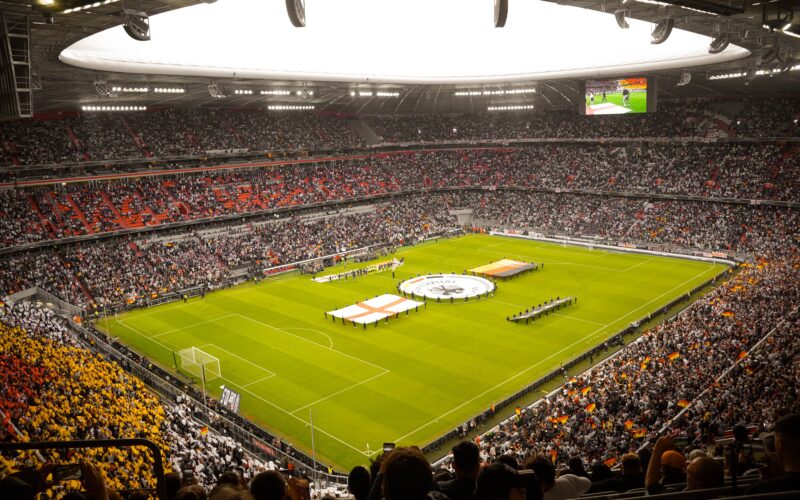
The largest sporting event in history is about to reshape travel across an entire continent. With the 2026 FIFA World Cup kicking off on June 11, fans from around the globe are converging on North America, and the ripple effects on flights, hotels, and prices are already being felt.
The scale is unprecedented. The tournament, jointly hosted by the United States, Canada, and Mexico, features 48 national teams and is expected to surpass all previous editions, with analysts estimating it could generate tens of billions of dollars in economic activity. In the United States alone, matches will be spread across 11 cities, including Atlanta, Boston, Dallas, Houston, Kansas City, Los Angeles, Miami, the New York/New Jersey area, Philadelphia, the San Francisco Bay Area, and Seattle.
That demand is pushing up the cost of getting there. Cash airfares were up 20.7% year over year as of May 2026 according to Consumer Price Index data, with fares around peak match weekends projected to climb 50% to 100%. Airlines, including American, Delta, and United, are expanding flight capacity, while hotels across key markets report near-full occupancy for match nights.
But there’s encouraging news for travelers who plan smartly. Despite years of warnings about sold-out hotels and sky-high prices, tickets remain available for many matches, and some resale prices are falling. Loyalty points are emerging as a powerful tool. Travel experts note that transferring points to airline loyalty programs often beats booking through credit card portals. For example, a first-class New York-to-Los Angeles flight for the U.S. versus Paraguay match on June 12 was available for 22,000 American Airlines miles one-way, a ticket that would otherwise cost more than $1,200.
Interestingly, demand has been more uneven than predicted. Around 80% of surveyed U.S. hotels reported bookings below initial forecasts, with international travel barriers like visa processing and high pricing cited as factors. However, peak match dates still see near-sellout levels where multiple popular teams draw fans. That gap between hype and confirmed bookings means some properties are actively cutting prices to attract visitors.
A few practical strategies stand out for fans still planning trips. Consider basing yourself in a host city and taking day trips to matches in nearby venues, use airline and hotel points rather than cash where possible, and watch for resale tickets and hotel price drops as match dates approach. One added wrinkle for U.S. travel: the tournament overlaps with celebrations around the 250th anniversary of the United States, adding to peak-summer demand.
For those willing to stay flexible, the World Cup summer may prove more navigable and more affordable than the early warnings suggested.