




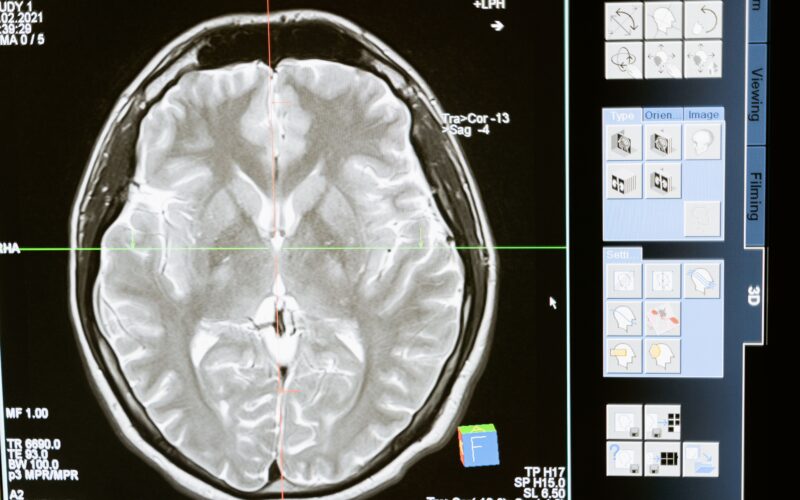
A new multiple sclerosis discovery may help explain one of the disease’s biggest mysteries: why it progresses much faster in some people than others. Researchers found unusual fat-filled immune cells in the brains of patients with severe MS. The finding could open new paths to treatment. Here is what the research revealed.
The Multiple Sclerosis Discovery
The research focused on brain tissue from patients with severe forms of the disease. What scientists found was striking. Scientists have uncovered a surprising clue that may help explain why multiple sclerosis progresses rapidly in some people but not others, finding large numbers of “foamy” immune cells in brain tissue from patients with severe MS. Yahoo Finance
These “foamy” cells are immune cells that have become filled with fat. Their presence in large numbers appears linked to faster, more aggressive disease progression.
Understanding Multiple Sclerosis
To appreciate the finding, it helps to understand the disease. Multiple sclerosis is a condition in which the immune system attacks the protective covering of nerves. This damages communication between the brain and the body.
The effects vary widely. Some people experience mild symptoms, while others face rapid decline and serious disability. Why the disease progresses so differently from person to person has long puzzled researchers. This discovery offers a possible explanation rooted in these unusual immune cells.
Why This Matters
Identifying what drives faster progression is hugely valuable. If these foamy cells contribute to severe MS, they become a potential target for treatment. Therapies that prevent immune cells from becoming foamy, or that clear them away, could potentially slow the disease.
This kind of mechanistic insight is exactly what leads to better treatments over time. Rather than just managing symptoms, understanding the underlying biology allows scientists to address the root of the problem. For people with aggressive MS, that could eventually mean real hope.
As with all early research, these findings need further study before they lead to new treatments. But identifying a possible driver of severe disease is an important step forward.
A Productive Week for Brain Science
The MS discovery was part of an active week for neuroscience. Research challenged assumptions about consciousness. Researchers found that patients under general anesthesia could still process language at a sophisticated level, distinguishing nouns, verbs, and adjectives, suggesting the unconscious brain is far more capable than once believed. Fortune
Other research probed how the brain learns. Scientists found that extensive practice can rewire the brain so a learned skill runs more automatically. Yahoo Finance
What It Means for Patients
For people living with multiple sclerosis, this discovery offers cautious optimism. A few points stand out. First, understanding why MS progresses faster in some people is essential for developing better treatments. Second, the foamy cells represent a promising new target for future therapies.
Third, research in this field is advancing steadily, expanding what scientists understand about the disease. While new treatments take years to develop, each discovery like this brings the field closer. For now, anyone managing MS should continue working closely with their medical team on the best available care.
This article summarizes published research for general information and is not medical advice. Consult a healthcare professional about any health concerns.
You maybe interested in this article – New Alzheimer’s Treatment Breakthrough Slows Brain Cell Loss in Early Trials.