




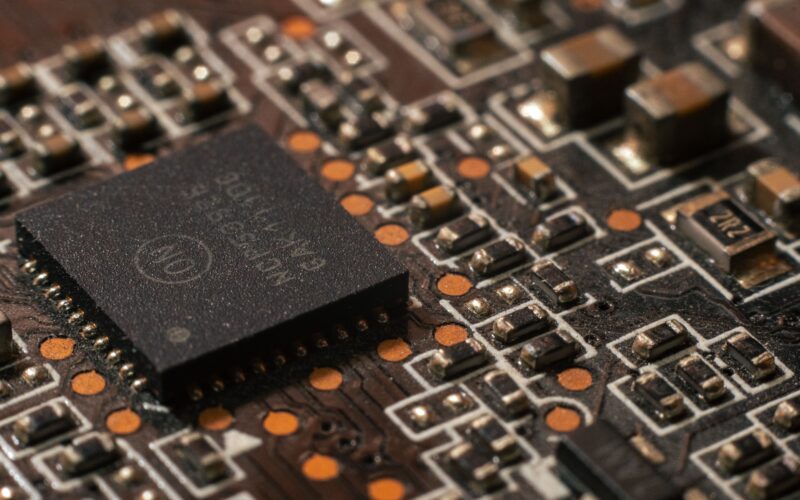
OpenAI’s custom chip plans could reshape the most important supply chain in technology. The company behind ChatGPT is building its own AI processor, named “Jalapeño,” in a direct challenge to Nvidia’s dominance. The move puts OpenAI alongside other tech giants racing to control their own silicon. Here is why it matters.
What the OpenAI Custom Chip Is
The chip is being developed with a major partner. It targets a specific part of AI computing. OpenAI shared plans for Jalapeño, its custom inference chip built with Broadcom, joining Google, Apple, and SpaceX in a growing list of companies building their way out of single-supplier risk. ScienceDaily
The name to know here is inference. Inference is the process of running a trained AI model to produce answers, and it accounts for a huge share of AI computing costs. A custom chip built for it could lower those costs significantly.
Why OpenAI Wants Its Own Chip
The motivation comes down to reducing dependence. Nvidia currently dominates AI hardware. Nvidia has dominated the AI chip market for years, but the era of total dependence might be ending. ScienceDaily
Relying on a single supplier creates real risks. Prices stay high, supply can be constrained, and a company’s growth is tied to another firm’s roadmap. By building its own chip, OpenAI gains more control over cost, supply, and performance. Therefore, the move is as much about strategic independence as it is about technology.
Part of a Bigger Trend
OpenAI is not alone in this push. Several tech giants are designing their own silicon. Google, Apple, and SpaceX have all moved in this direction, each seeking to escape single-supplier risk.
This reflects a major shift in the AI industry. As AI becomes central to these companies’ futures, controlling the underlying hardware becomes a strategic priority. The result is a wave of custom chip projects aimed at challenging Nvidia’s grip on the market.
Why It Matters for the AI Race
The implications reach across the whole industry. Cheaper, more efficient inference chips could lower the cost of running AI. That, in turn, affects everything from product pricing to which companies can compete.
It also intensifies competition in the semiconductor market. For years, Nvidia’s chips have been the default for AI. A credible wave of custom alternatives could change that, giving big AI companies more leverage and potentially spreading innovation across more players.
What to Watch Next
The custom chip race is still unfolding, and several developments are worth tracking. First, watch for performance details and timelines as OpenAI’s Jalapeño moves toward production. Second, note how Nvidia responds to growing competition from its own largest customers.
Third, expect more companies to announce custom silicon efforts as the trend accelerates. For now, OpenAI’s custom chip marks another sign that the AI hardware landscape is shifting. The companies that control their own silicon may hold a decisive advantage in the next phase of the AI race.
This article is for informational purposes only and does not constitute investment advice.
You maybe interested in this article – AI Infrasteucture Startup Domiante Funding as Cybersecurity Bets Grow.