




Summer 2026 is shaping up to be one of the most turbulent travel seasons in recent memory, but for travelers willing to be flexible, genuine bargains are still out there.
The headline pressure is on fares to Western Europe. Summer fares to popular cities like Paris, Rome, London, Barcelona, and Frankfurt are running at least 20% higher than last year, with round-trip economy tickets reaching $1,700 to $2,100, as jet fuel shortages continue following Middle East conflict and the closure of the Strait of Hormuz. Industry analysts have described it as the most volatile summer travel market in decades, citing jet fuel prices that have doubled, the elimination of airline routes, and the shutdown of Spirit Airlines.
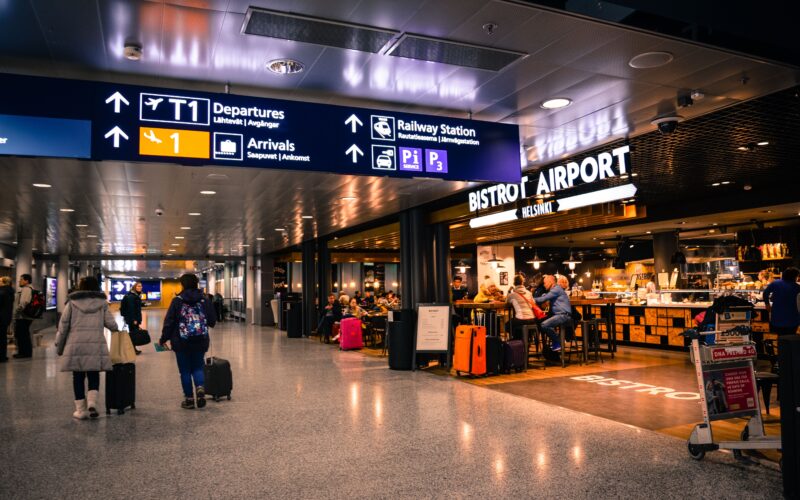
But the deals haven’t disappeared, they’ve simply moved, for travelers eyeing Europe, alternatives like Reykjavik, Dublin, and Stockholm showed the highest volume of reasonable fares, with low-end prices ranging from $350 to $500, while Helsinki, Oslo, and Copenhagen also offer budget-friendly options.
Beyond Europe, several destinations stand out for value. Aruba sits outside the hurricane belt, keeping summer demand and prices moderate, and is one of the few Caribbean spots where summer is genuinely a good time to visit. Mexico City is having a major cultural moment, with round-trip fares from the U.S. frequently under $300, while Mallorca is holding up as one of the more accessible European beach options. The broader trends reflect a budget-conscious mood. A Skyscanner report found that 55% of travelers say flight cost is the single most important factor when choosing a destination, a priority that rises among younger generations. International airfare is down 12% overall in some forecasts, with Asia and Europe emerging as top value picks, and the Middle East seeing a 35% jump in summer search interest driven by expanding flight connectivity.
Travel styles are shifting, too. “Slow travel,” staying in one place for an extended stretch rather than rushing between stops, hit an all-time high in 2026, with searches for “slow travel Italy” up 100% in a single month, alongside record interest in group and tour travel.
One factor worth planning around: a massive global sporting event. The 2026 FIFA World Cup runs from June 11 through July 19 across 48 nations and 104 matches, drawing an expected 6 billion viewers and driving demand and prices in host cities. Booking early, flying from alternative hubs, and considering secondary destinations remain the most reliable ways to beat the summer squeeze.